The Budget Entry Point to a Rescue Kit
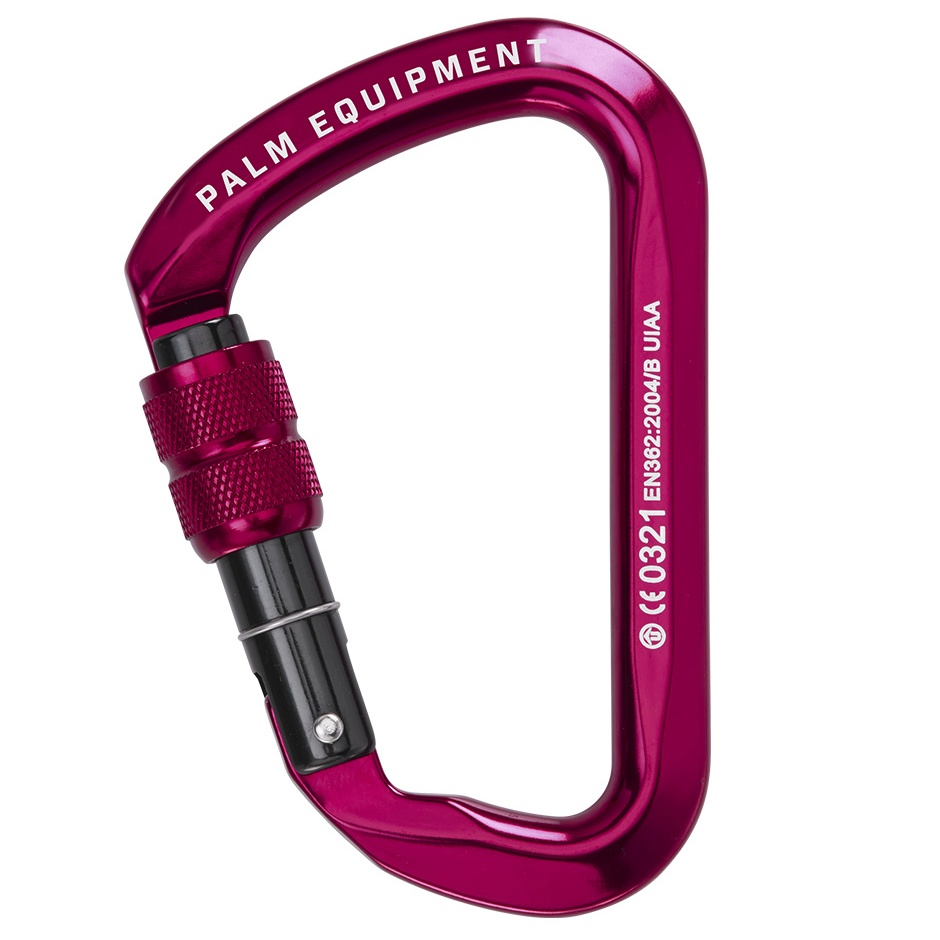
The Palm Screw Gate Karabiner is the cheapest locking karabiner in Palm's stocked range at The Boathouse Norfolk — a genuine, certified option for anyone building a whitewater or touring rescue kit from scratch. It locks manually: twist the threaded sleeve closed by hand, and it stays shut under load. There's no auto-locking mechanism to wear out or fail, which makes it a simple, field-serviceable piece of kit.
Screwgate vs. Autolock — Which Should You Buy?
This is the real decision most buyers of this product are making: screwgate or autolock. A screwgate locks only when you remember to twist the sleeve shut; the Palm Autolock Karabiner closes and locks itself the moment the gate is released, removing that human step entirely. Palm also stocks the Palm Side Swing HMS Autolock Karabiner a step up again for those who want a wider HMS-shape gate alongside the auto-lock mechanism. If you're equipping a kit on a budget and are confident about locking it correctly every time, the screwgate is a genuine, certified choice. If you'd rather not rely on remembering, the autolock is worth the small premium. Either way, avoid a plain non-locking wire gate karabiner for rescue use — an open gate can snag or release unexpectedly during a swim.
Breaking Strength — What the Numbers Actually Mean
This karabiner is rated 24kN on its major axis (correctly loaded, gate closed), dropping to 7kN on its minor axis and 7kN with the gate open. A kilonewton (kN) is a unit of force — roughly 100kg, or 225lbs — which is why correct orientation and a fully closed gate matter in a real rescue: the same karabiner is far weaker loaded sideways or with the gate open. That 24kN major-axis figure sits just under the 25kN minimum commonly cited for water rescue karabiners, so anyone wanting a comfortable margin above that benchmark should look at the 28kN-rated Palm Autolock instead — a fair trade-off for the lower price here, not a hidden one.
Who It's For
Best suited to a paddler building their first rescue kit on a budget, or a coach/instructor equipping multiple kit bags where mechanical simplicity and low cost matter across a large quantity. Certified to EN362:2004/B and EN12275:1998/B&K, and UIAA approved — this is safety-rescue and connector equipment for water use, not tested or marketed against climbing-specific fall-arrest standards, so it isn't the right choice for lead climbing or fall protection.
Construction & Specs
Built from anodised aluminium with a 23mm gate opening, finished in high-visibility red so it's easy to spot in water or dug out of a kit bag in a hurry.
Building Out Your Kit
Pair this with a Palm Bolt 20m Throwline or Palm Pro Throwline to complete a basic rescue setup, or browse the full Rescue Kit range at The Boathouse Norfolk. See delivery information for current shipping details.
Frequently Asked Questions
What does the kN rating on a karabiner mean?
kN stands for kilonewton, a unit of force — roughly 100kg (225lbs). The Palm Screw Gate Karabiner is rated 24kN on its major axis (gate closed, correctly loaded), dropping to 7kN if loaded across its minor axis or with the gate open. That major-axis figure sits just under the 25kN minimum commonly cited for water rescue karabiners; for extra margin, the Palm Autolock Karabiner, rated 28kN, clears that benchmark comfortably.
What's the difference between a screwgate and an autolock karabiner?
A screwgate karabiner locks manually — you twist a threaded sleeve closed by hand — while an autolock closes and locks itself automatically as soon as the gate is released. The Palm Screw Gate is the simpler, cheaper mechanism with no moving auto-lock parts to fail, while the Palm Autolock Karabiner removes the risk of forgetting to lock it manually, for a higher price. Both are locking types suitable for a rescue kit.
Should I buy a screwgate or autolock karabiner for my rescue kit?
Either is suitable as a locking karabiner for a rescue kit. The screwgate is the budget option with a 24kN rating, while the Palm Autolock is rated higher at 28kN and locks itself automatically. If you're equipping a kit from scratch on a budget, the screwgate is a genuine certified option; if you want the extra safety margin and don't want to rely on remembering to twist the gate shut, the autolock is worth the extra few pounds.
Why shouldn't I use a plain non-locking (wiregate) karabiner for a kayak rescue kit?
A non-locking wiregate karabiner can open accidentally during a swim or rescue, risking entanglement or an unintended release under load. Both the Palm Screw Gate and Palm Autolock are locking types designed to stay closed under load.
How many karabiners should be in a whitewater rescue kit?
A commonly cited guideline is two manual-locking karabiners per person plus one auto-locking karabiner on a flip line. The Palm Screw Gate Karabiner is a manual-locking type, so two of these (or a mix with the Palm Autolock covers that recommendation.
Is the Palm Screw Gate Karabiner suitable for climbing?
The Palm Screw Gate Karabiner is certified to EN362:2004/B and EN12275:1998/B&K and UIAA approved for water rescue and connector use — it isn't marketed or tested against climbing-specific fall-arrest standards. If you need a karabiner for lead climbing or fall protection, check with a specialist climbing retailer for a product tested to that specific use.