

A shared shelter for four, built for a storm or an unplanned stop
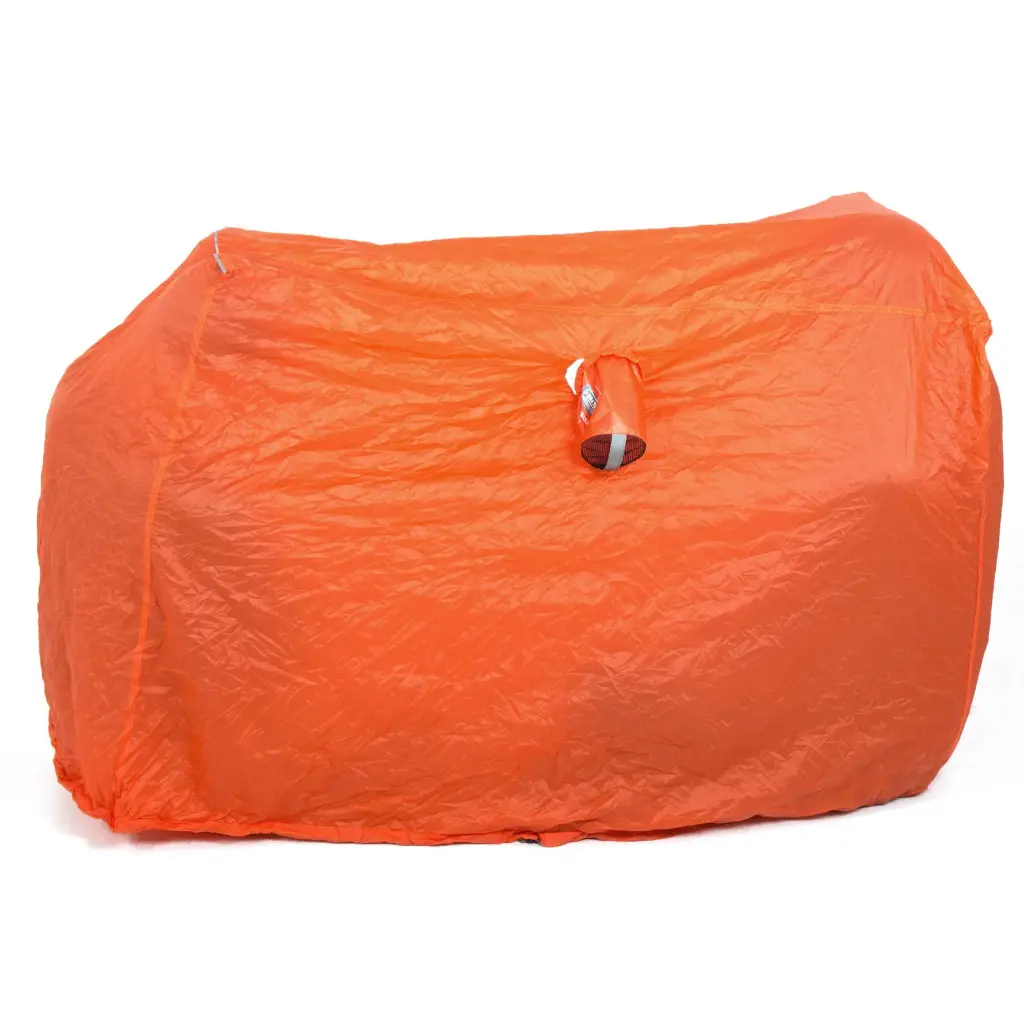
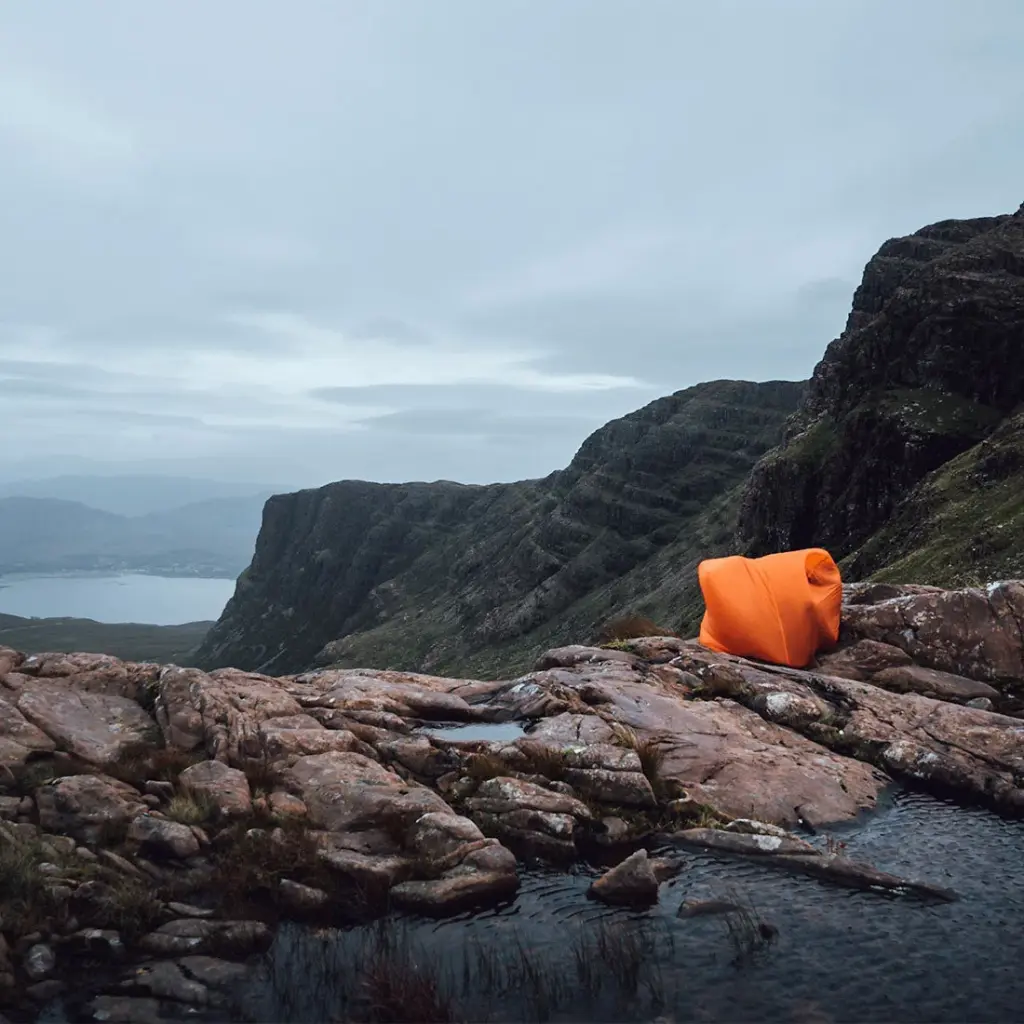
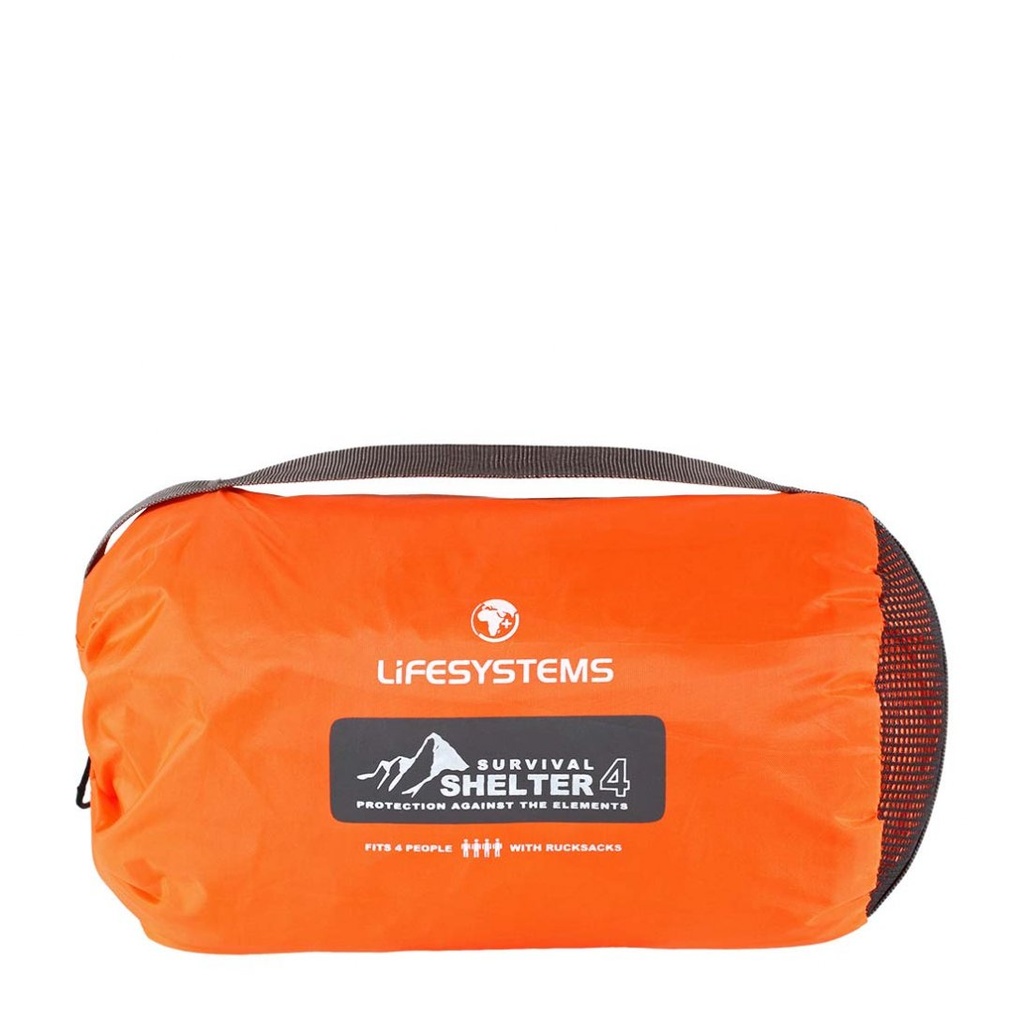
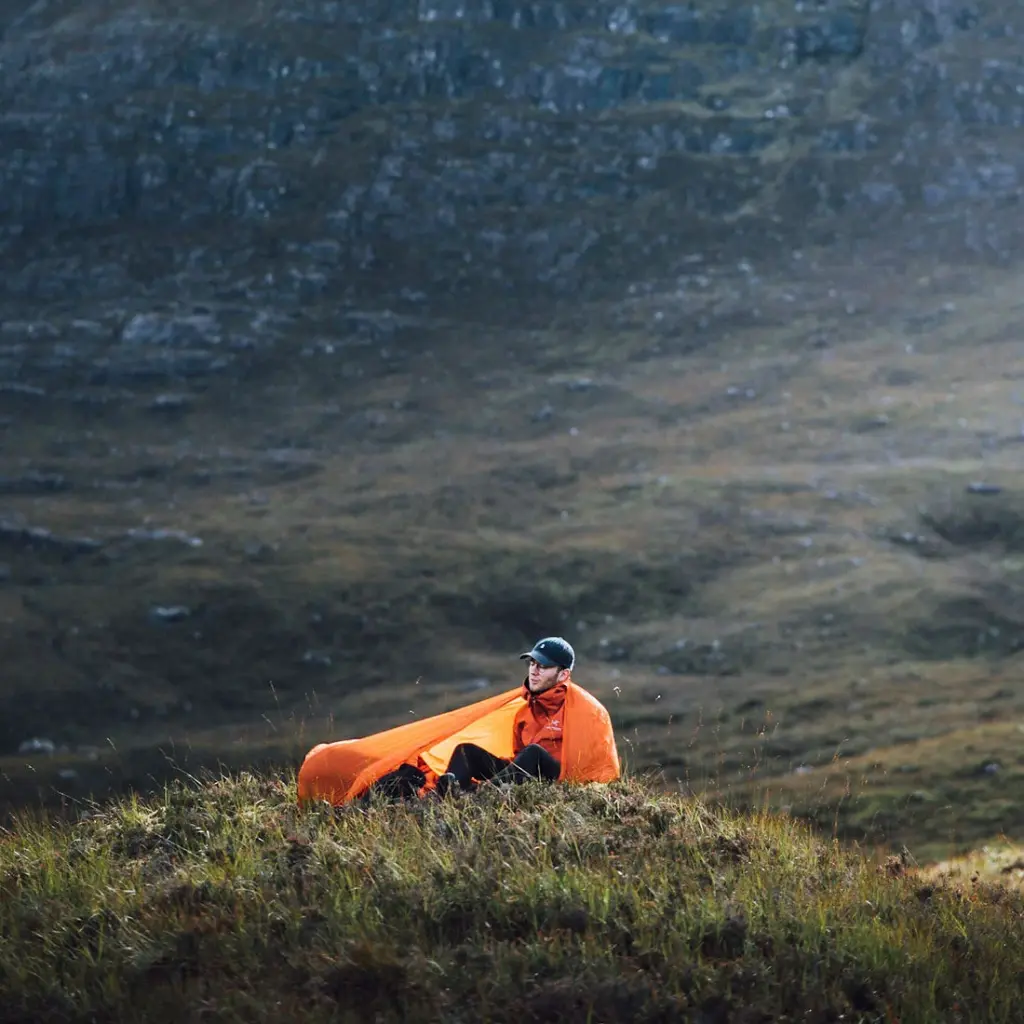
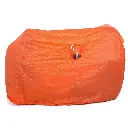
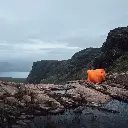
The Lifesystems Survival Shelter 4 is a pull-over group shelter designed to accommodate up to four people during a storm, a rescue pause, or a planned stop in bad weather. It's the kind of kit outdoor instructors, expedition leaders and canoe or kayak groups carry as shared safety equipment — commonly known as a bothy bag, not a pitched tent or a personal sleeping bivvy. If you're paddling, hiking or leading a group where everyone needs somewhere to shelter together at short notice, this is built for exactly that moment.
Weather protection, to a stated manufacturer spec
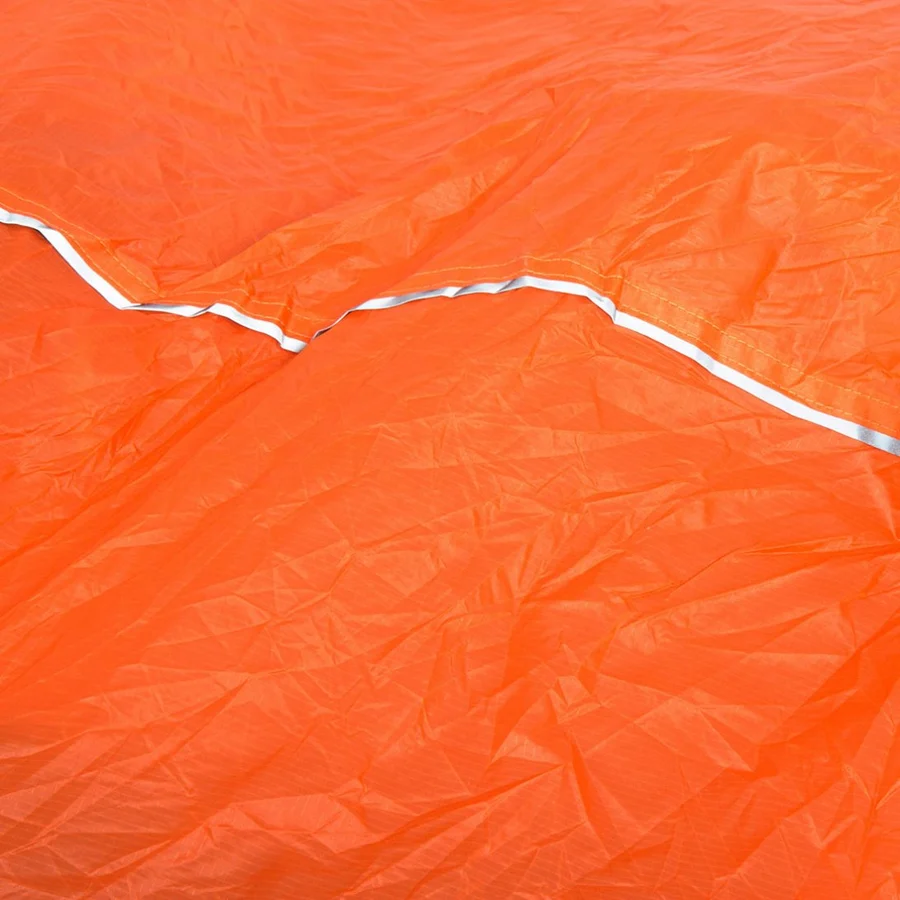
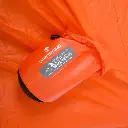
Lifesystems builds the Shelter 4 from tough PU-coated fabric with fully taped seams and rates the fabric to a 5,000mm hydrostatic head. Waterproof seating panels keep the group off wet ground once the shelter is deployed, while a window and single air vent add visibility and airflow without needing to open the shelter to check conditions outside. Reflective top strips help the shelter be seen in low light — useful for group visibility, though they're not a substitute for dedicated signalling equipment, a PFD, or the rest of your emergency kit. These are manufacturer-stated construction specifications, not a guarantee of storm-proofing or dryness in every water-exposure situation — treat the shelter as one part of a wider safety plan, not the whole of it.
Pack size, weight and what's in the bag
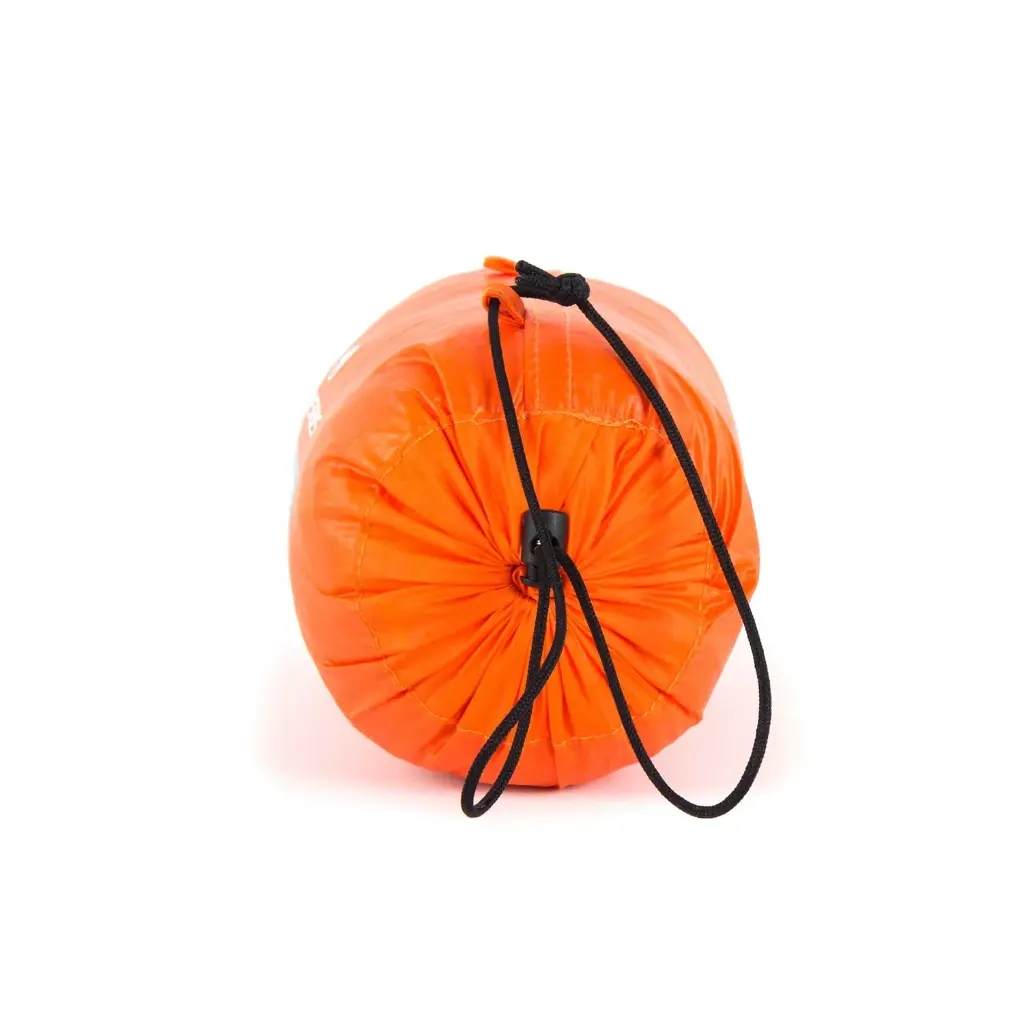
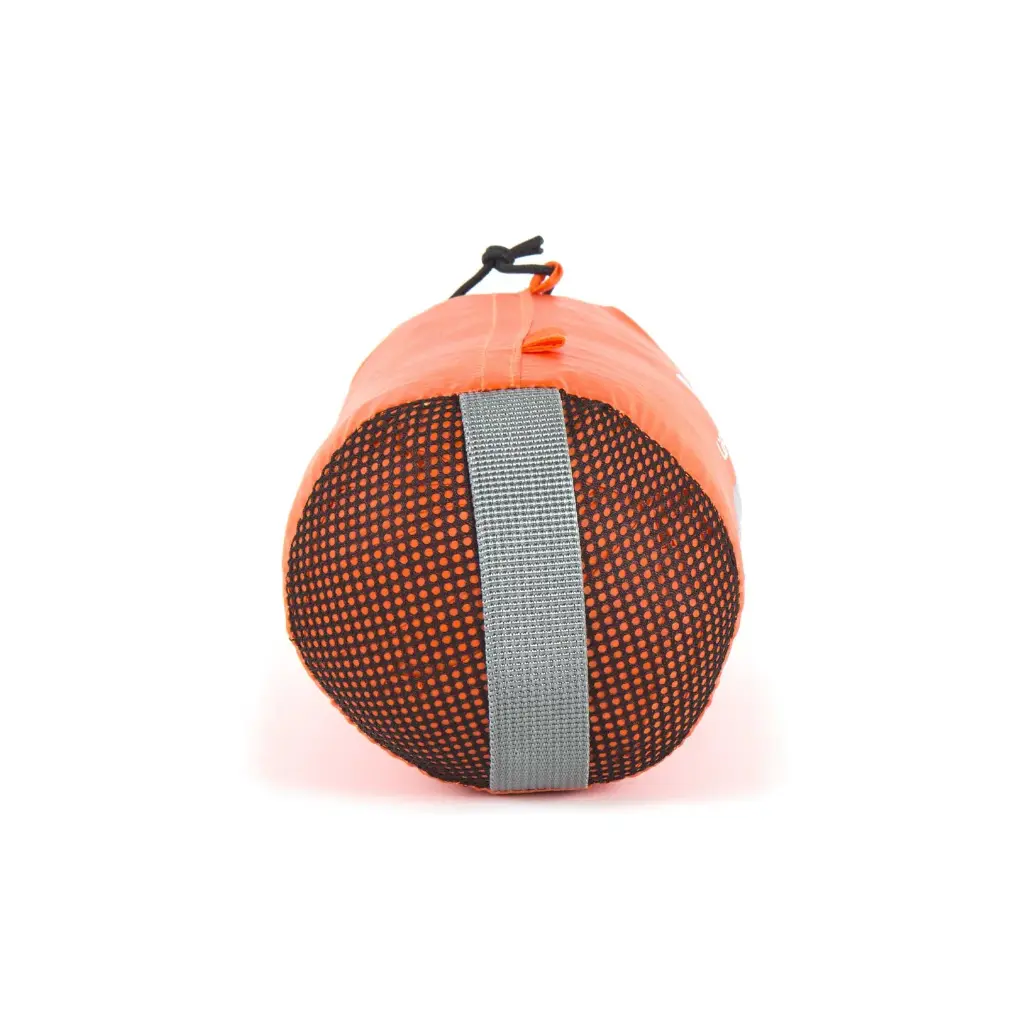
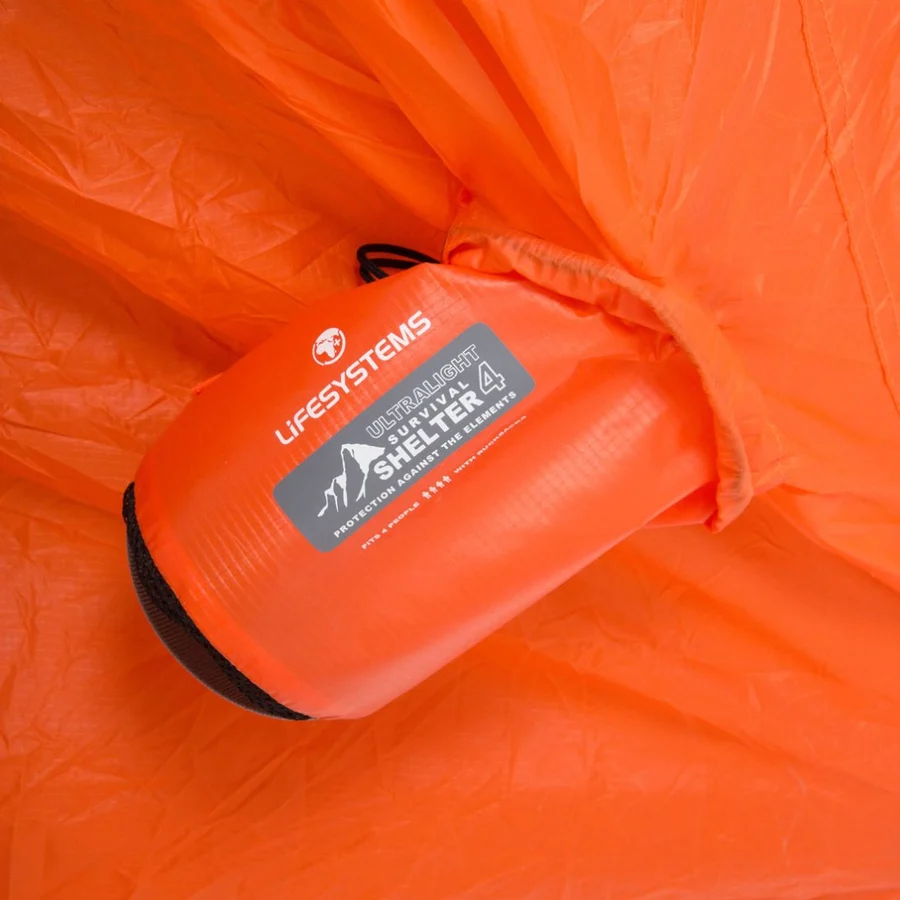
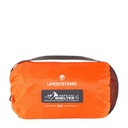
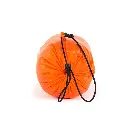
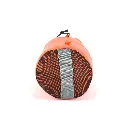
At 510g and packing down to 220 x 120 x 120mm, the Shelter 4 is light and compact enough to sit in a group kit bag, rucksack lid or dry bag without becoming the heaviest item you're carrying. Deployed, it measures 140 x 90 x 80cm. It comes with an integral drawcord stuff sack, so packing it away after use doesn't mean wrestling loose fabric back into a bag that doesn't fit.
Who it's for — and who should think twice
This is shared emergency kit for a group of up to four: instructors and leaders running sessions where a group needs somewhere to gather in poor weather, and paddling or hiking groups who want a lightweight, always-in-the-kit-bag option for an unplanned stop. The four-person capacity is Lifesystems' accommodation guidance, not a promise of comfort, room for full rucksacks, warmth for an extended stay, or space to treat a casualty — if you regularly need more room than that, or expect planned overnight stops rather than emergency pauses, a proper group tent is the better tool. If you're usually only sheltering a pair, the smaller Lifesystems Survival Shelter 2 packs lighter still and is the better match.
Ordering and what to check before you buy
The Survival Shelter 4 sits within our wider Rescue Kit and safety range, alongside the Shelter 2 and Lifesystems' first aid kits. Check delivery information for current shipping rates and timescales before you order, and treat this shelter as shared emergency kit to carry alongside — not instead of — the rest of your group's safety equipment.
Frequently Asked Questions
How many people fit in the Lifesystems Survival Shelter 4?
Lifesystems lists the Survival Shelter 4 for up to four people. That stated capacity covers shared emergency shelter only — it isn't a guarantee of comfort, space for every rucksack, or overnight sleeping room.
Is the Lifesystems Survival Shelter 4 waterproof?
The manufacturer specifies tough PU-coated fabric, fully taped seams and a 5,000mm hydrostatic head, plus waterproof seating panels. These are construction specifications rather than a guarantee for every weather or water-exposure situation.
Is the Survival Shelter 4 a bothy bag or a tent?
It's a shared pull-over emergency shelter, commonly called a bothy bag, for a group stop in bad weather or an emergency — not a pitched tent or a personal sleeping bivvy.
How big and heavy is the Lifesystems Survival Shelter 4?
It weighs 510g and packs down to 220 x 120 x 120mm. Lifesystems lists the deployed dimensions as 140 x 90 x 80cm.
Should I choose the Lifesystems Survival Shelter 2 or Shelter 4?
Choose the capacity that matches the group you intend to shelter: the Survival Shelter 2 covers up to two people, while this Shelter 4 covers up to four. Treat capacity as accommodation guidance, not a comfort guarantee, when deciding.